All Categories
Featured


Top-Rated 2026 Debt Relief Solutions for Households
Table of Contents
Have you ever looked at your credit card expense and wondered where all those charges came from? Or found yourself swiping your credit card for a purchase before you've had a chance to consider whether you truly desired to borrow money to spend for it? Don't feel dissuaded there are ways to get a much better hold on your credit card usage.
The guidelines are created to help you improve the options you make with your credit cards especially when you adjust the rule to live by to fit your individual financial circumstance. We have actually produced a worksheet to assist you produce and follow your own money rules to live by. Utilize the worksheet to: Discover locations where you might use your credit card less frequently Select a goal for managing your credit card use Create a rule to live by for how you want to use your charge card Make a commitment to yourself to act upon your objective Taking a close take a look at your small charge card purchases is one place to start to help gain control over your charge card costs.
Using the worksheet to compose down your goal will also help you stay with it. Just like lane markers on a highway, your money rules to live by are guidelines that keep you relocating the best direction. You might have to speed some things up, decrease others, or change lanes from time to time, however your rules to live by can assist you reach your monetary destination.

Data from FICO and TransUnion indicate 3 primary forces forming 2026 credit behavior across all earnings levels: a little lower typical scores, raised credit utilization, and stablebut progressively influentialcredit delinquencies. At the same time, BHG Financial data exposes a blended image: lots of customers report feeling financially positive, yet a significant share are still navigating cash circulation difficulties and increasing debt responsibilities.
More youthful customers, especially Gen Z, are opening credit cards at greater rates than previous generations and utilizing them more actively. This recommends earlier engagement with creditbut also increases the possibility of greater balances and score volatility without recognized payment habits or long credit histories.
Essential Debt Consolidation Reviews for 2026
Among the most significant aspects influencing scores, credit usage stands apart. This metric procedures just how much of your readily available credit you're usinghigher usage normally signals higher danger to lenders and can decrease scores. FICO data show that typical charge card balances and usage rates have climbed considerably since 2020, surpassing pre-pandemic levels.
While this utilization level is above the frequently advised limit (often below 30%), the current plateau recommends that numerous customers are handling greater balances without a matching spike in payment tension. This shows relative stabilitybut at a greater level of continuous debt. While credit delinquencies stay comparatively steady, indications of monetary stress are becoming more visible.
Federal Reserve information support this pattern, showing steadiness across credit card and car loan sections. Danger, however, is not uniformly dispersed. It is more focused among borrowers handling greater balances, multiple accounts, or irregular capital. BHG Financial's research study highlights this detach: 56% of respondents say they feel financially comfy or rich, yet 36% live paycheck to paycheckincluding 24% of high earners making $100,000 or more annually.
Effective Financial Management for Struggling Families
These patterns highlight an essential theme: monetary stability and financial tension can exist side-by-side. This multi-income, multi-responsibility truth suggests financial obligation is less about overspending and more about handling competing concerns.
Cutting Household Debt with Effective Relief ToolsSo it makes good sense that this segment of the population may count on borrowing to keep their foothold or handle cash circulation. In this context, debt is not naturally unfavorable. Rather, it can be a tool that supports long-lasting financial healthas long as it's structured well and coupled with a clear payment plan.
We're sorry, however we were not able to license your request. Please call us at 800-433-9196 and supply referral number SWAF-18. We apologize for any trouble.
Credit cards have ended up being necessary to contemporary life, enabling us to pay for needs we can not purchase outright. Credit can be a double-edged sword.

Latest Posts

2026 Guide to Successful Debt Relief
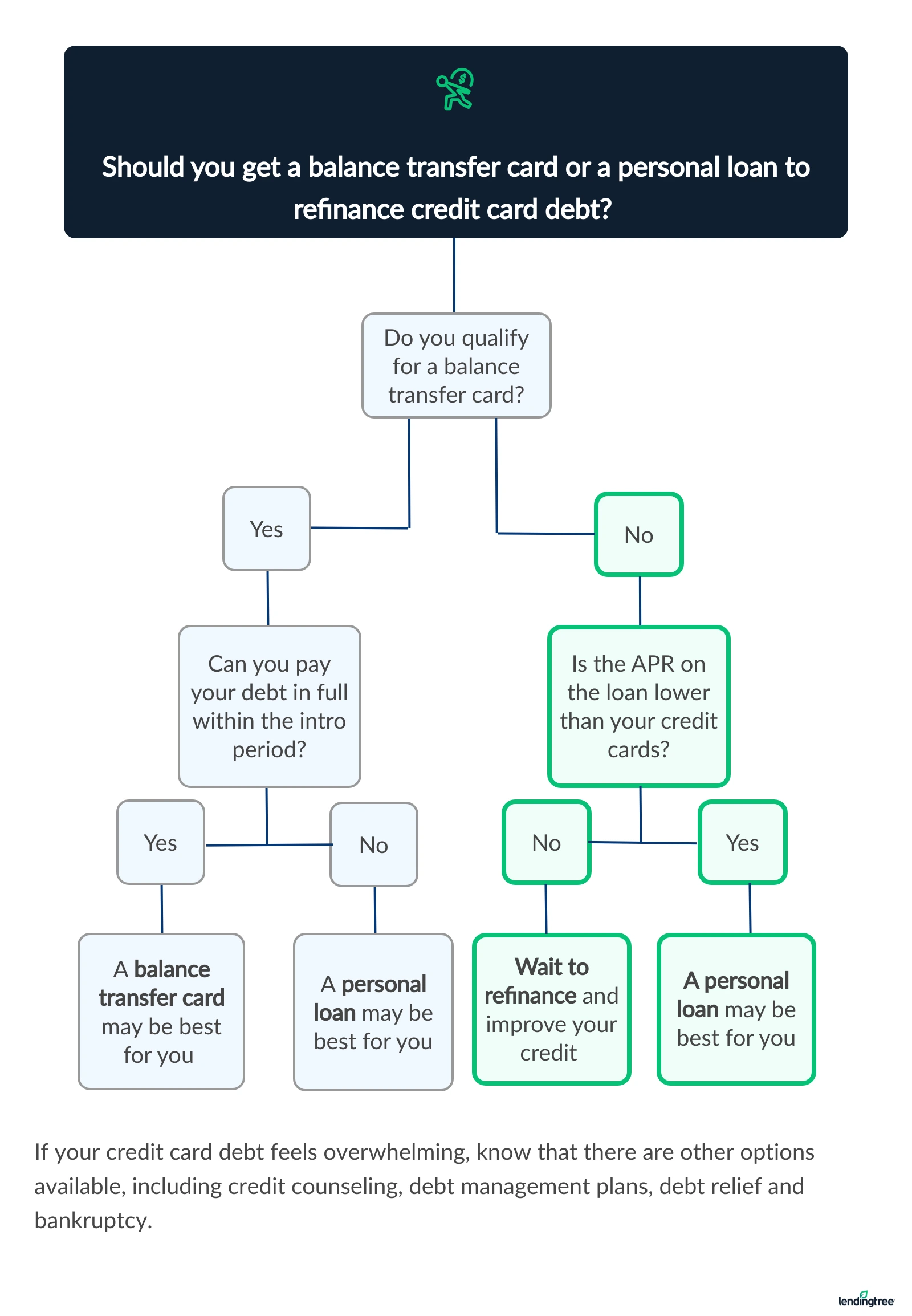
Steps to Lower Credit Card Debt in 2026
Smart Tips to Handle 2026 Financial Stress