All Categories
Featured


Evaluating the Top 2026 Debt Relief Plans
Table of Contents
Here's a breakdown of some of the most popular ones to think about: This technique begins by noting your debts from tiniest to biggest. Make minimum payments on all your cards while directing any additional funds towards the smallest balance. Once you settle the tiniest debt, you'll carry on to the next tiniest and get momentum with each triumph.
It takes longer to settle high-interest financial obligations. Those focused on fast wins and staying inspired Focus on settling the debt with the greatest interest rate. This is a clever relocation because it saves you the most cash in interest over time. It conserves more on interest with time and is potentially the fastest overall approach.
Those focused on decreasing total interest paid and quicker general debt decrease. This strategy integrates your card financial obligations into a single loan with a lower interest rate.
The application procedure is possibly faster than that of secured loans. It needs good credit to certify, and rate of interest are normally higher than those for secured loans. Those with excellent credit who prefer the simpleness of a single payment. A home equity loan usages your home's value as security and can lead to a lower interest rate.
This choice may offer lower interest rates than credit cards. Consolidating several financial obligations can likewise streamline monthly payments. Unsecured loans usually need great credit to certify. A home equity loan puts your home at risk if you fail to repay. This method is perfect for people with great credit who choose the simplicity of a single regular monthly loan payment.
Top Debt Management Programs for Over-Leveraged HouseholdsHow to Lower Credit Card Debt in 2026
Several other extra techniques can decrease credit card financial obligation tension: While the minimum payment keeps your account in great standing, it will not considerably decrease your debt. Paying even a little extra each month will reduce the amount you owe much faster. If possible, set up automated payments above the minimum to make the procedure easier.
This can create a vicious cycle of debt that's tough to get away. Consider keeping a few cards locked away or temporarily decreasing your credit limits as you rebuild healthy spending habits.

A credit counseling course can supply valuable assistance if you find it difficult to handle several credit cards responsibly. If you're struggling, get in touch with the credit card provider and describe your scenario.
Wasatch Peaks Cooperative credit union uses personal, no-cost, customized debt management counseling. These services can be valuable if handling financial obligation is frustrating or you require professional assistance developing a payment strategy. Among the fastest methods to deal with debt is to make more money. Consider taking on a side gig, offering unused items, or requesting for a raise at your present task.
You've paid off your credit cardnow what? Now that you've paid off your credit card, you might question about your next actions.
Assistance for Over-Leveraged Households in 2026
If you can pay your balance in full monthly, look for a new credit card that offers appealing rewards. Take a look at our handy guide to determine the ideal variety of charge card you should have in your wallet. Even if you do not prepare on using the card routinely, keeping it open for emergency expenses could be useful.
Just be aware that it can momentarily reduce your credit score. You can utilize the funds to pay down other financial obligations much faster.
Another choice, rather than paying down debt, is to construct up your cost savings. Rerouting credit card payments to savings can supplement your funds for holidays, large purchases, or emergency situation funds. Paying off financial obligation improves your credit utilization and can substantially increase your credit history. Credit bureaus monitor this metric to assess your credit use.
Seeking 2026 Financial Hardship Relief
If you're having a hard time to stay within your spending plan, think about designating your credit card for emergency situations only. Understanding how long to pay off a credit card can assist you make the essential way of life changes to reach your goal.
Analyze your spending practices and try to find areas to cut back. Even little changes over time can produce room in your budget plan for financial obligation payment. Be careful of services that guarantee to rapidly eliminate your debt or considerably settle it for a fraction of what you owe. These often turn out to be rip-offs.
Insights of 2026 Consumer Debt OptionsWhen utilized responsibly, credit cards can considerably improve your credit score. Managing credit card debt can be a considerable financial difficulty.

Devoting yourself to a technique is the crucial to leaving charge card financial obligation quick. When you adhere to your objective, your dedication equates into an overarching lifestyle where you no longer need to issue yourself with tackling your charge card payments on a monthly basis. We can't make your regular monthly credit card payments for you (actually, we type of can with a personal loan), but we can show you how to get out of charge card debtfast! Keep checking out to find out about the leading four methods to settle your credit cards in the quickest manner possible.
If you have a $350 balance on a charge card with a 21-percent annual interest rate, and you make a minimum payment of only $20 monthly, it will take you 22 months to pay it off. That's almost two years. If you double your payment to $40, you'll have the card settled in just 10 months.
Support for Over-Leveraged Consumers in 2026
This method becomes a lot more valuable when you apply it to even larger balances. Say you are making the minimum $90 payment on a card with a $2,750 balance and a 21 percent interest rate: You'll find yourself making payments for the next 45 months (or 3.75 years). Yet, if you double the monthly payment, you'll run out financial obligation in only 18 months (1.5 years).

Latest Posts

2026 Guide to Successful Debt Relief
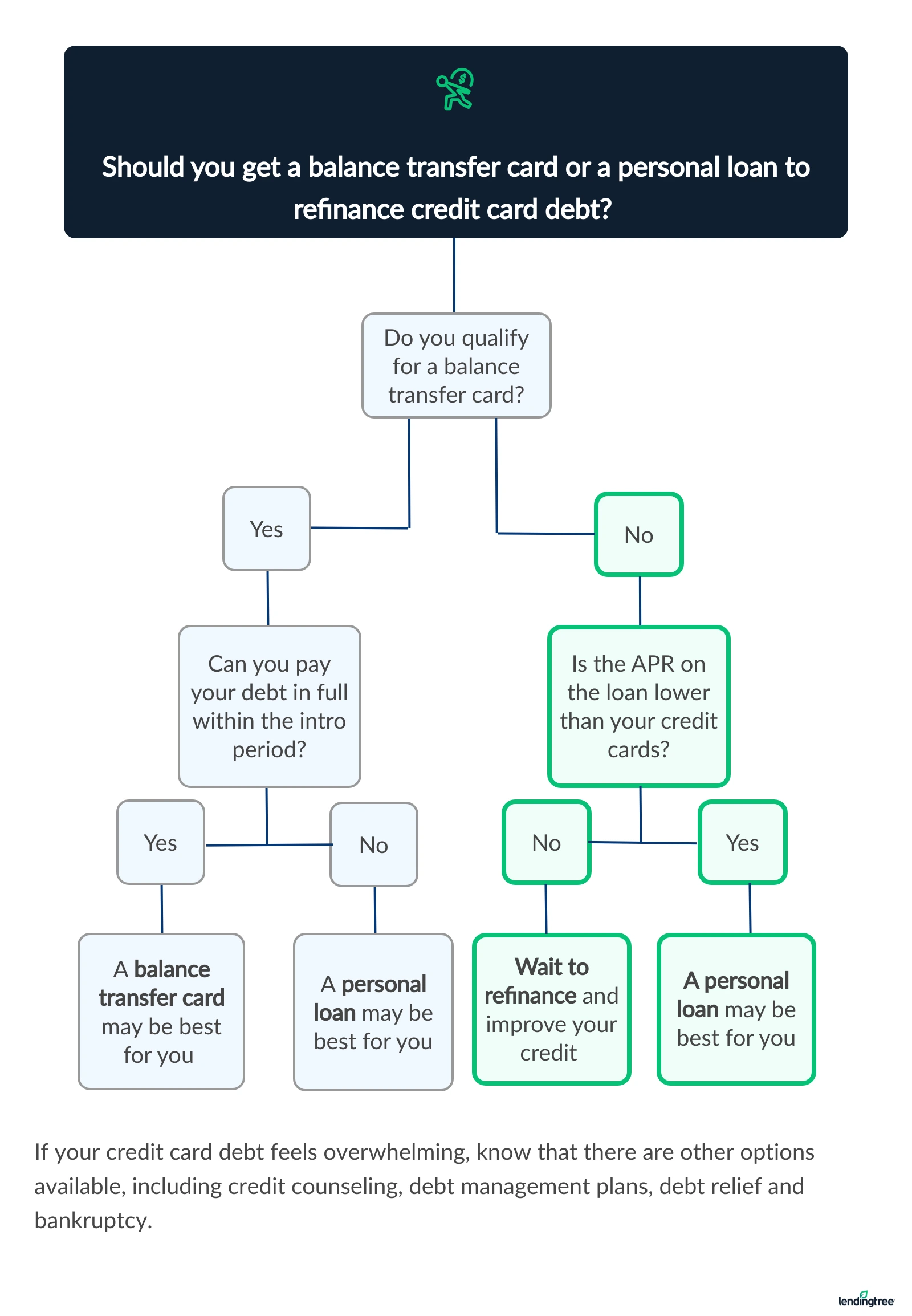
Steps to Lower Credit Card Debt in 2026
Smart Tips to Handle 2026 Financial Stress